- Trusted electric drive solutions
- 35+ years of innovation expertise
- Built-in integration & retrofit


Work-related musculoskeletal disorders (MSDs) are one of the leading causes of workplace injuries worldwide. According to organizations such as OSHA, NIOSH, and international ergonomic standards, manual handling activities such as pushing, pulling, lifting, and moving equipment are a major contributor to back, neck, and shoulder injuries.
Industries including healthcare, logistics, warehousing, industry, manufacturing, hospitality and retail regularly involve moving carts, trolleys, roll cages, beds, and other wheeled equipment. Repetitive pushing and pulling forces can lead to fatigue, physical overload, and long-term musculoskeletal injuries. Reducing physical strain is therefore an important part of workplace safety, employee wellbeing, and ergonomic risk assessment.
Cindy Ribbers
Account manager
Many countries follow international ergonomic standards and workplace safety guidelines, including:
These guidelines generally recommend that organizations:
International standards also recommend considering powered assistance where pushing and pulling forces cannot be sufficiently reduced through workplace design or procedures alone.

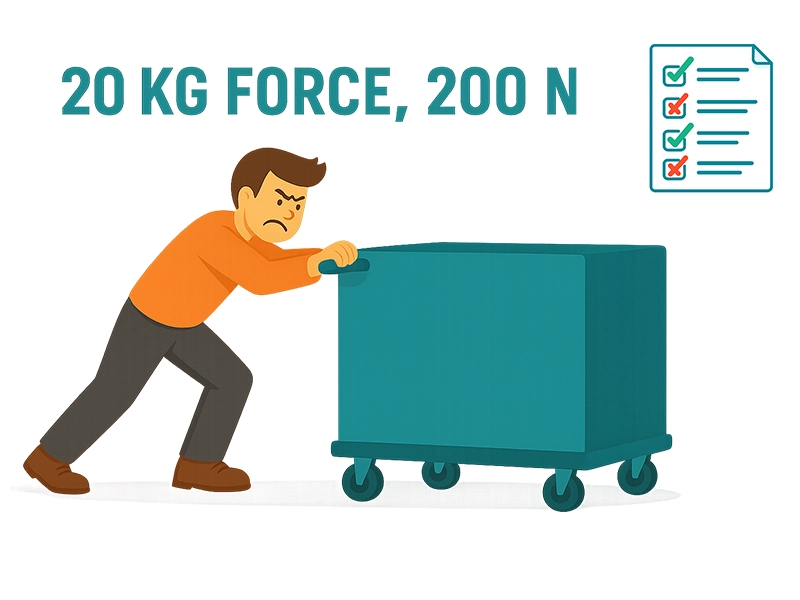
International ergonomic guidance such as ISO 11228-2 assesses pushing and pulling tasks based on factors including force, posture, frequency, distance, and duration rather than defining one universal maximum force limit. In practice, many ergonomic assessments use indicative force values derived from psychophysical research.
| Activity | Indicative force values |
| Starting or stopping a load | 20–25 kg force (200–250 N) |
| Keeping a load moving | 10–15 kg force (100–150 N) |
These values help identify tasks that may require further ergonomic assessment or risk reduction measures. Physical strain can increase due to:
Repeated exposure throughout the working day can contribute to cumulative fatigue and increased risk of musculoskeletal disorders.
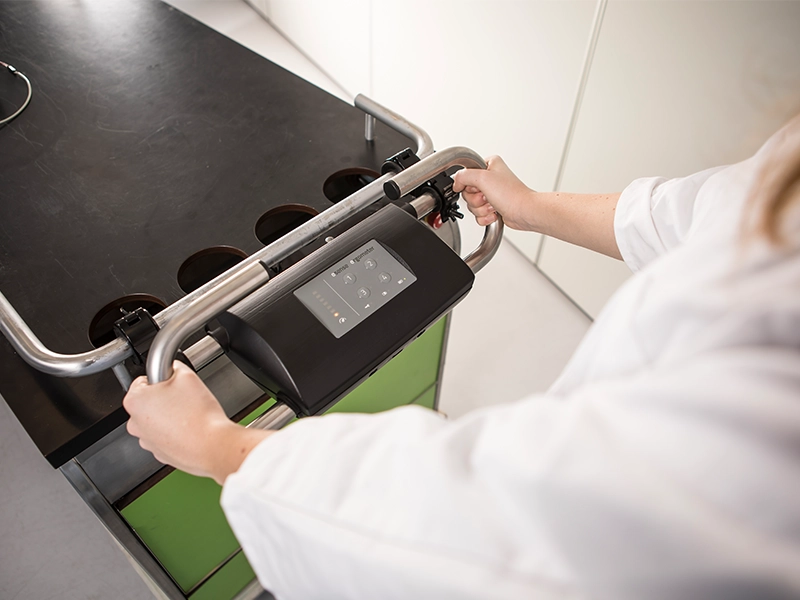
Understanding the actual forces employees apply during daily work activities is essential for reducing physical overload and improving workplace ergonomics. The esense ergonomic solutions provide insight into pushing and pulling forces during real working situations and combine:
These solutions help organizations:
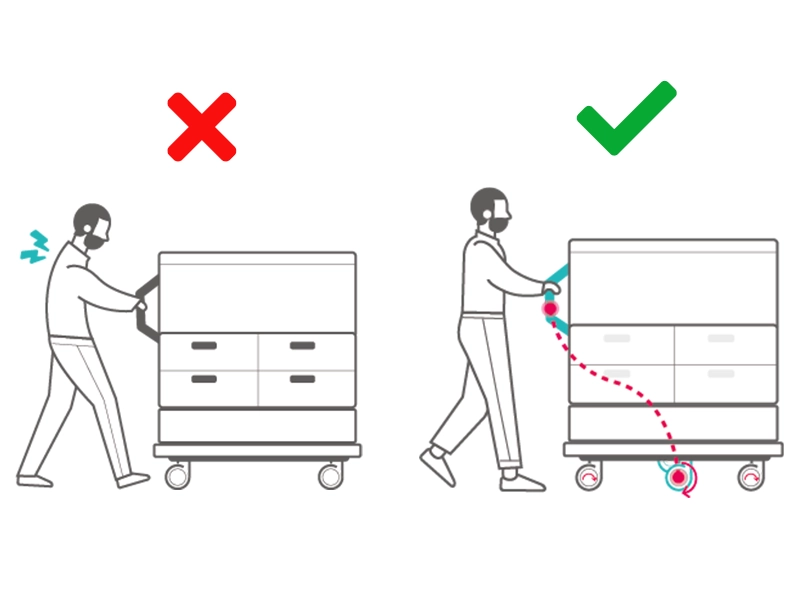
Reducing physical strain supports:
By measuring and analyzing physical load, organizations can make informed decisions about ergonomics, powered assistance, and manual handling policies.

 Vraag brochure aan


