- Trusted electric drive solutions
- 35+ years of innovation expertise
- Built-in integration & retrofit


Manual handling is part of daily work in many sectors. Without proper guidance, tasks like pushing and pulling can lead to musculoskeletal disorders, injuries, and high injury and absenteeism rates. ISO 11228-2:2022 provides internationally recognized ergonomic guidance and indicative force limits for safe pushing and pulling, helping organizations create healthier workplaces. Grounded in scientific research, it sets indicative ergonomic force values to help organizations create healthier, safer workplaces.
ISO 11228-2:2022 is the international standard for safe pushing and pulling in manual handling. It defines limits for both:
These limits are adjusted based on factors such as: operator characteristics, push height and direction, route length, task frequency, and environmental conditions (floor quality, space, slopes).

Ignoring safe limits can result in:
By following ergonomic guidelines for pushing and pulling, organizations not only protect employees but also improve productivity and reduce long-term costs.
Pushing and pulling guidelines should be applied whenever employees:
Essentially, any activity involving manual force to move loads should be assessed against the ISO 11228-2 recommendations.
Does your organization work according to ISO 11228-2?
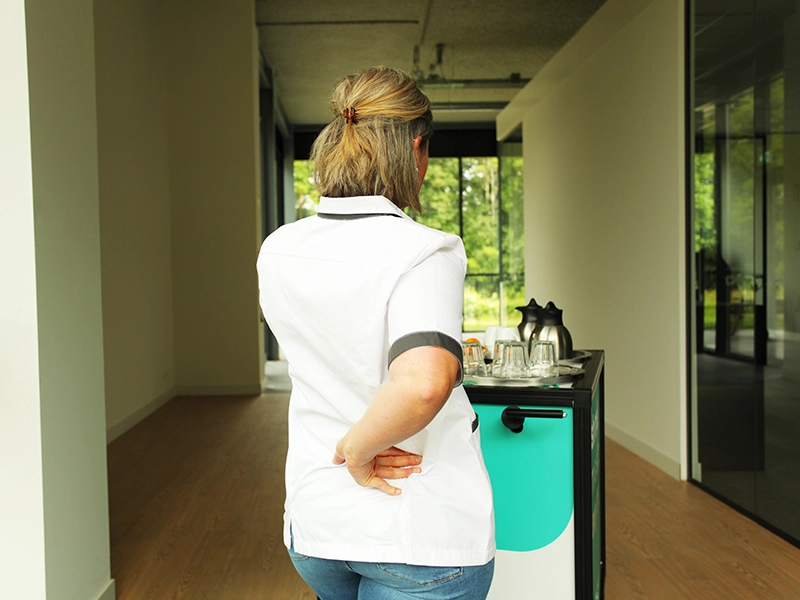
Why pushing and pulling guidelines matter in healthcare
By applying pushing and pulling guidelines from ISO 11228-2, organizations can reduce injury risks, improve comfort, and support long-term employee health. Solutions such as ergonomic tools and supportive technologies like electric drive wheels can help ensure that employees stay within recommended ergonomic force values.


 Vraag brochure aan


