- Trusted electric drive solutions
- 35+ years of innovation expertise
- Built-in integration & retrofit


Manual handling is part of daily work in many sectors. Without proper guidance, tasks like pushing and pulling can lead to musculoskeletal disorders, injuries, and high absence rates. IHSE guidance and ISO 11228-2:2022 provide ergonomic recommendations for safe pushing and pulling activities, helping organizations create healthier workplaces. These guidelines help organisations assess push and pull forces and reduce manual handling risks in the workplace.
The HSE provides manual handling guidance and the HSE RAPP Tool for workplace risk assessment. ISO 11228-2 is an international ergonomics standard often used alongside HSE manual handling assessments. The guidance considers both:
HSE manual handling assessments consider factors such as worker capability, posture, route length, floor conditions and task frequency.

Excessive push and pull forces can result in:
By followingHSE manual handling guidance and ergonomic assessments, organizations not only protect their staff but also improve productivity and reduce long-term costs.
Pushing and pulling guidelines should be applied whenever employees:
Essentially, any activity involving manual force to move loads should be assessed against the HSE pushing and pulling guidance and ergonomic risk assessments.
Does your organization comply with HSE manual handling guidance?
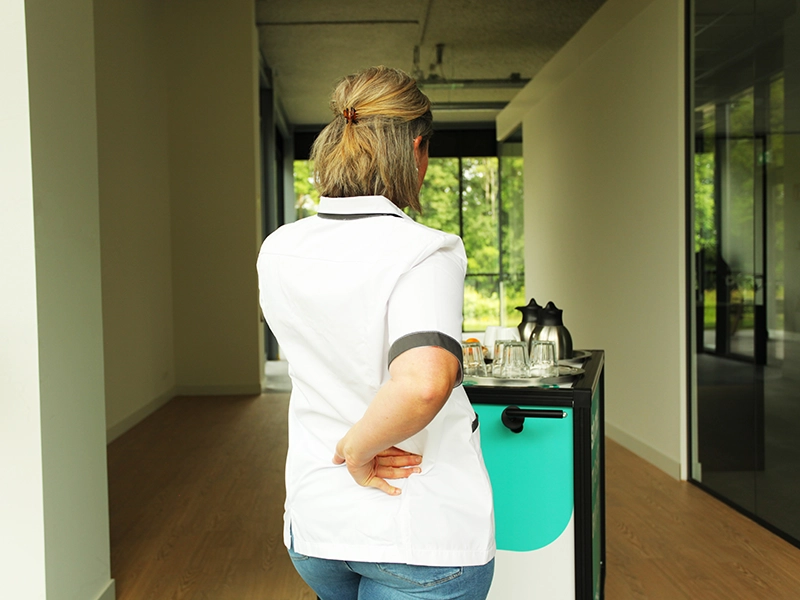
Why HSE pushing and pulling guidance matters in the UK healthcare sector
By applying pushing and pulling guidelines from ISO 11228-2, organizations can reduce injury risks, improve comfort, and support long-term employee health. Solutions such as ergonomic tools and supportive technologies like electric drive wheels can help ensure that staff work within recommended HSE push and pull guideline figures.


 Vraag brochure aan


